Some countries you look at. Japan you decode. A place where a train arrives to the second, a temple gate is repainted vermilion by hand, and a classroom of strangers will bow, giggle and adopt your students inside ten minutes.
three notebooks. pick the one that fits your school ↓
Open the notebooksSeven days is enough to change a teenager's idea of what a country can be. This is the notebook we hand to schools going international for the first time — every day a headline, nothing rushed, and a mountain waiting on Day 4.
Twenty students step out of Narita and the first thing they notice is the silence — a city of millions that somehow whispers. The coach runs to an outlet mall to shake off the flight, buy the first thing bought in yen, and practise the phrase everyone will overuse all week: sumimasen.
Morning at Senso-ji, where students wave temple smoke over their heads for luck and read fortunes they only half believe. Then straight up the Skytree, where the whole grid of Tokyo lies flat beneath them — and finally Shibuya Crossing, where a thousand people move in every direction and nobody touches anybody. Ginza closes the day.
Tokyo Disneyland, full day. Teachers surrender the timetable, students form roving alliances by ride preference, and the rule of the day is a meeting point every two hours. It is also, quietly, a masterclass in crowd engineering — ask them how the queues never feel like queues.
Lake Kawaguchiko and Oishi Park, with Fuji-san either standing there perfectly or hiding in cloud — both versions are talked about for years. Gotemba for shopping, then the Shinkansen to Nagoya: the first time most of them travel at 300 km/h without feeling a thing.
The Toyota museum begins with a weaving loom and ends with a car — the clearest lesson in industrial evolution a child will ever walk through. Next door, the SCMAGLEV park holds trains that float. Then, in total contrast, a tea ceremony: forty minutes in which the hardest skill is stillness. Coach to Osaka.
Arashiyama's bamboo grove sounds like weather. Fushimi Inari's vermilion tunnels climb until the group thins out and it becomes a private walk. Then Nara, where the deer bow for biscuits and absolutely nobody escapes being headbutted — finishing at Todai-ji, whose Buddha makes teenagers go silent without being asked.
Airport transfer, and a coachload of students who have quietly started queuing without being told. Somebody will bow to the check-in clerk out of habit. That habit is the souvenir.
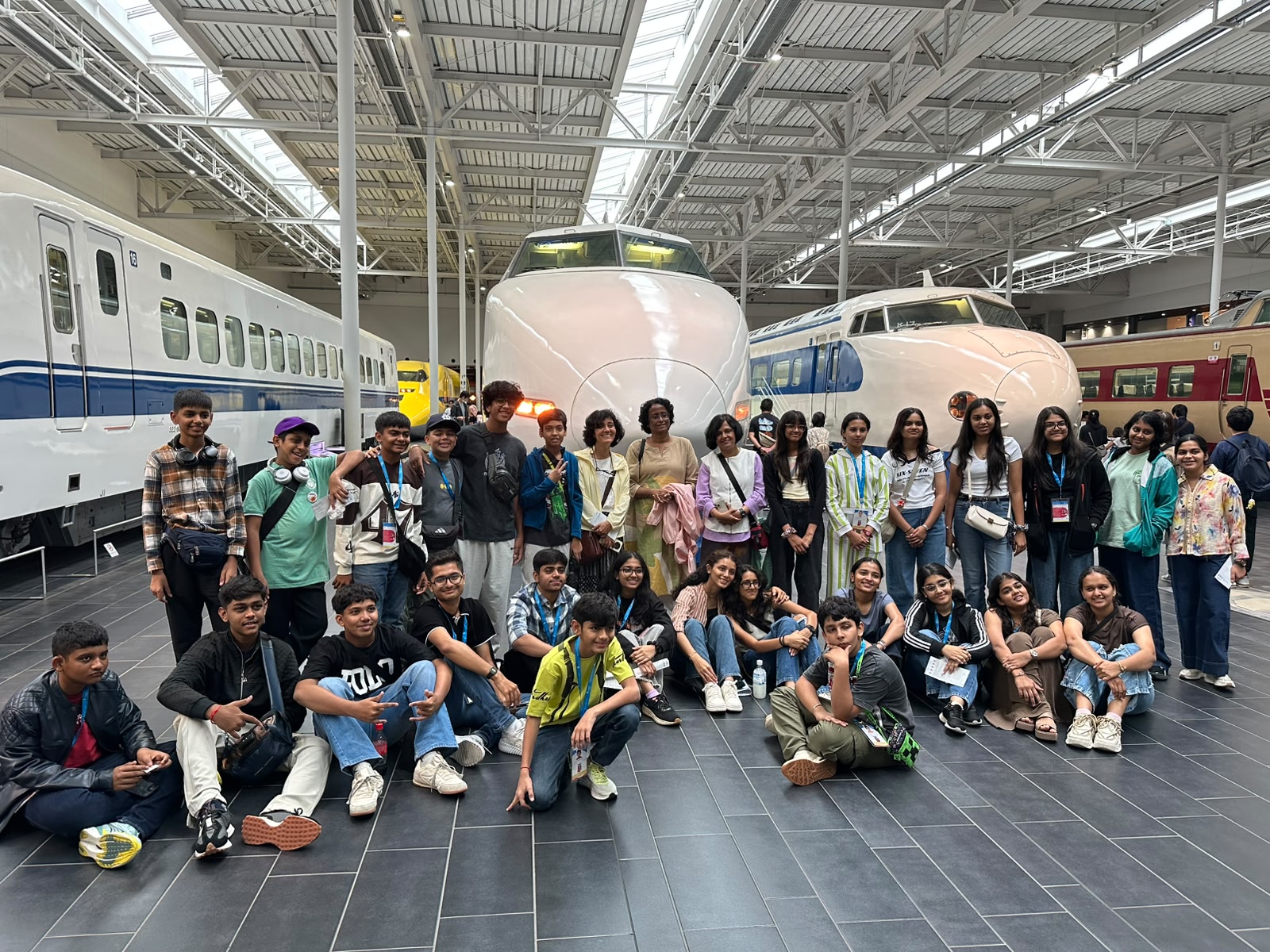
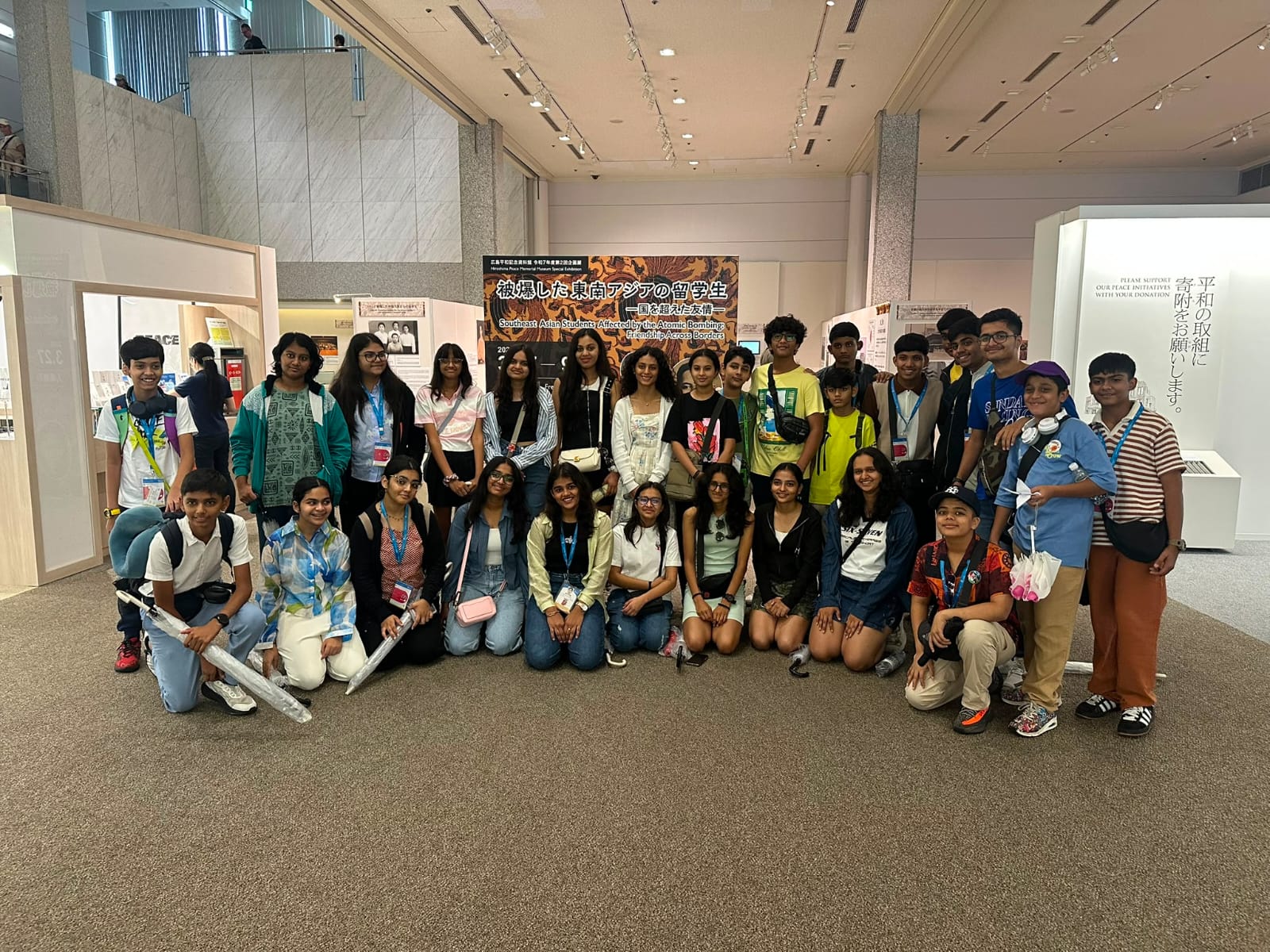
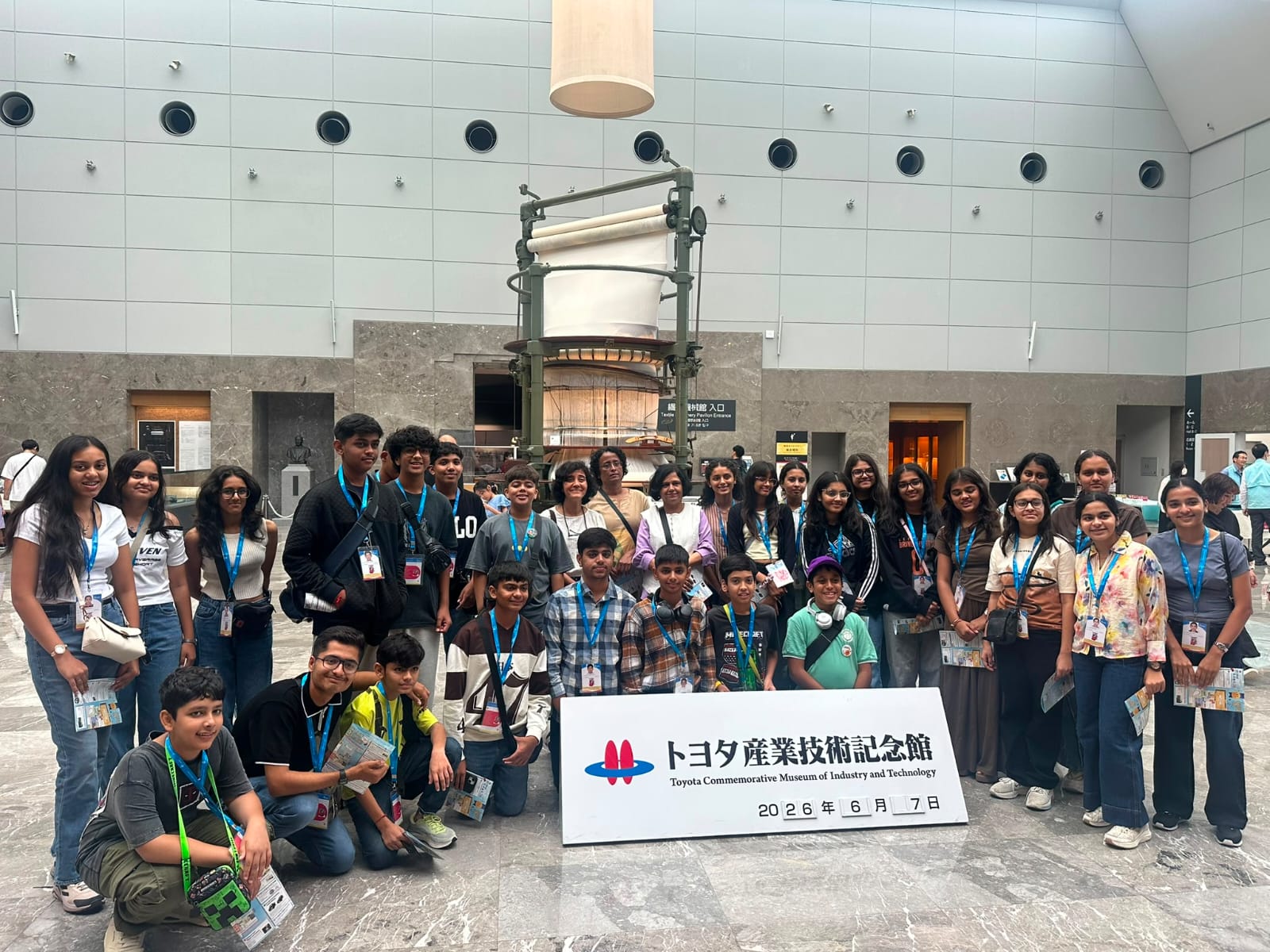
Students come back quieter about themselves and louder about ideas. They queue properly. They clear their own table. They ask why an Indian train can't be that punctual — and some of them will spend a career answering it.
A few fields and we will come back within two working days with dates, costing and the full safety protocol for this chapter. One teacher travels free with every ten students.