The Savannah
Field Journal
This is not a safari holiday. It’s a transboundary field study — from Nairobi’s urban game reserve to the Masai Mara, across the Serengeti, down into the Ngorongoro Caldera and up to the foot of Kilimanjaro. Your students carry the notebook. The savannah writes in it.
A city with lions in it
Nairobi is the only capital on Earth with a national park inside it. Your students study the strangest border in urban planning — skyscrapers on one side, giraffes on the other — and visit the elephant orphanage to see conservation as a daily job, not a slogan.
Two lakes, two chemistries
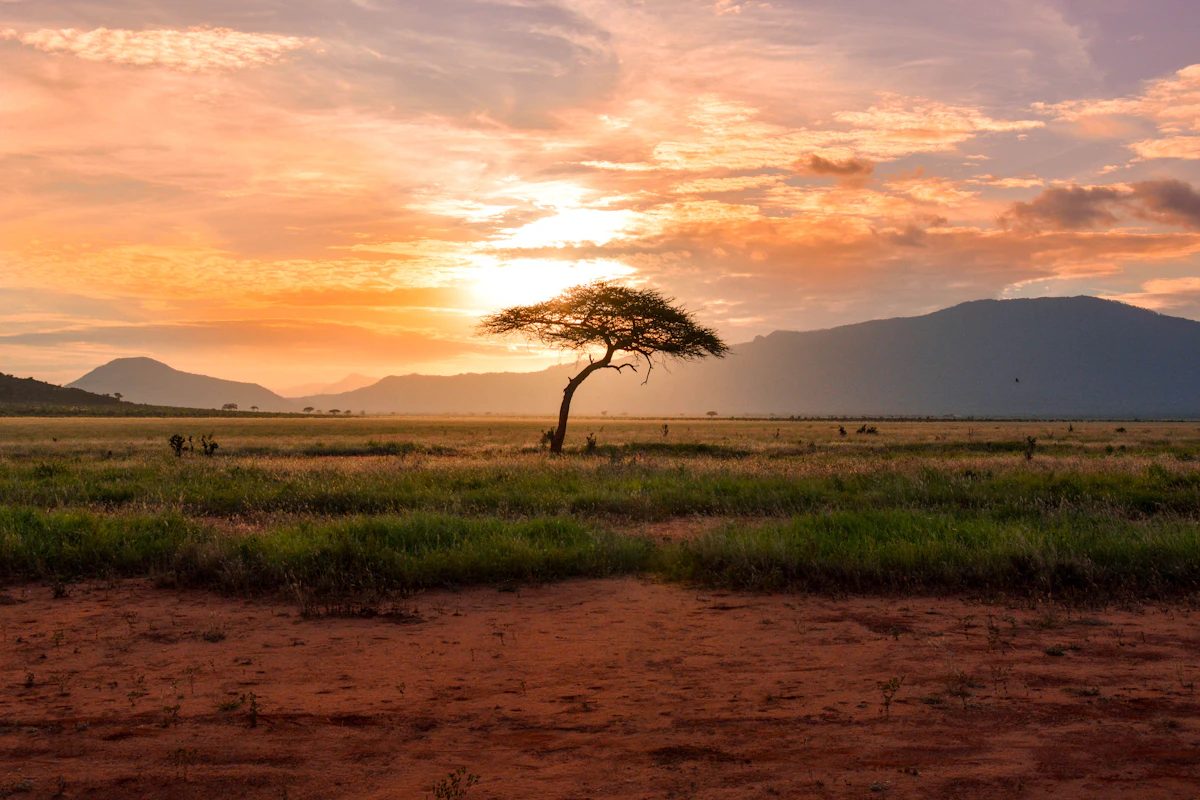
Lake Nakuru is alkaline; Lake Naivasha is fresh. Forty kilometres apart, they host entirely different worlds — flamingos on one, hippos on the other. Your students run the comparison like limnologists: pH, bird counts, shoreline ecology.

The Mara writes the syllabus
Three days in the Masai Mara. Game drives at dawn, predator ecology at dusk, and a visit to a Maasai village where students meet a culture that has negotiated with lions for centuries. The Great Migration — if the season allows — is the single greatest biology lesson on the planet.
Crossing the invisible line
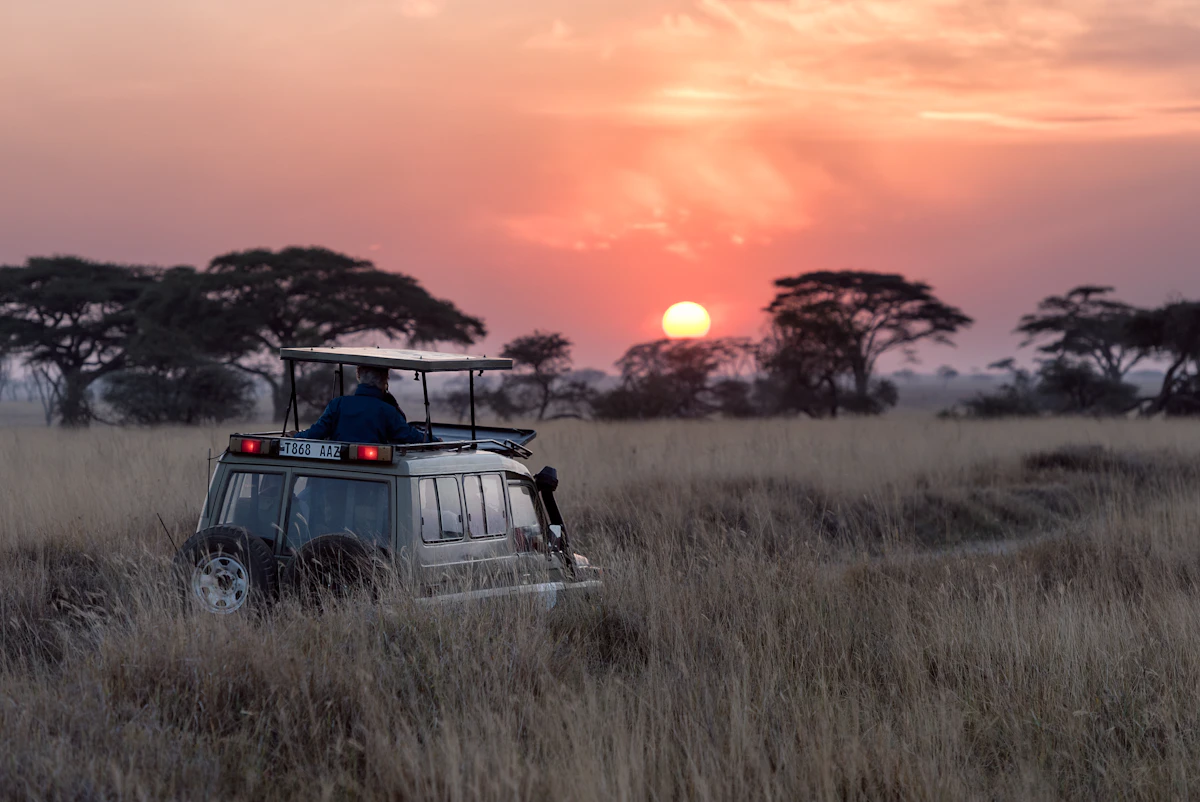
The border between Kenya and Tanzania means nothing to a wildebeest. Students cross into the Serengeti and study transboundary conservation — how two nations co-manage one ecosystem, and what happens when policy and migration disagree.

Descend into the caldera
The Ngorongoro Crater is a collapsed volcano holding 25,000 animals inside its walls — a sealed natural laboratory. On the rim, at Olduvai Gorge, your students stand at the cradle of mankind, where the human story is written in tectonic layers.

The mountain says goodbye
The final entries are written under Kilimanjaro — a snow-capped volcano on the equator, and a live case study in altitudinal zones and climate change. Students present their field findings to each other, journal in hand. Then home: eleven nights, one filled notebook, a different kind of traveller.

The journal comes home full.
Alkaline vs freshwater lakes, food webs, migration mechanics
Rift Valley faulting, calderas, volcanic formations
Human origins at the cradle of mankind
Human–wildlife conflict, orphan rehabilitation, park economics
Open this chapter
for your school.
We’ll present the full 12-day field programme to your principal and parents — itinerary, safety protocol, costs and learning outcomes.